The 1956 Mid-Air Collision That Changed How America Flies
On June 30, 1956, two airliners collided over the Grand Canyon and 128 people died. The disaster built the modern air-traffic-control system and, in 1958, the FAA.
 By Daniel Begay, Southwest canyon-country tour guide & Navajo cultural specialist
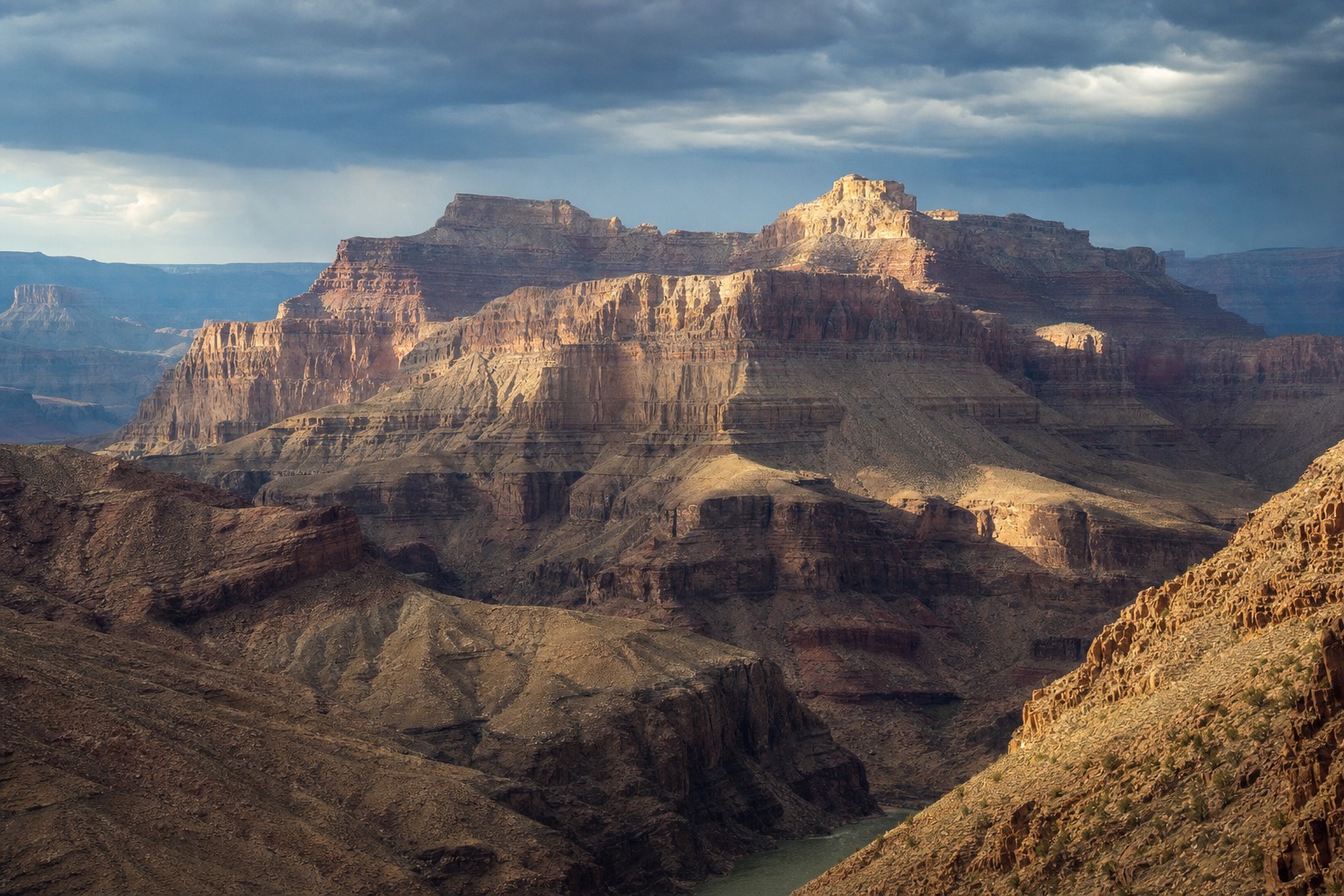
The sky over the Colorado Plateau looks empty. It never really is, and I have spent enough mornings under it, watching contrails stitch the blue while I wait for clients, to know that the order up there was purchased at a terrible price. Some of it was paid directly over the Grand Canyon, on the last day of June in 1956, and the receipt is written into every scenic flight that crosses the gorge today.
What happened over the Grand Canyon on June 30, 1956?
On June 30, 1956, a TWA Lockheed Super Constellation and a United Airlines Douglas DC-7 collided in the air over the Grand Canyon. All 128 people aboard the two aircraft were killed. It was, at that time, the deadliest commercial aviation disaster in United States history.
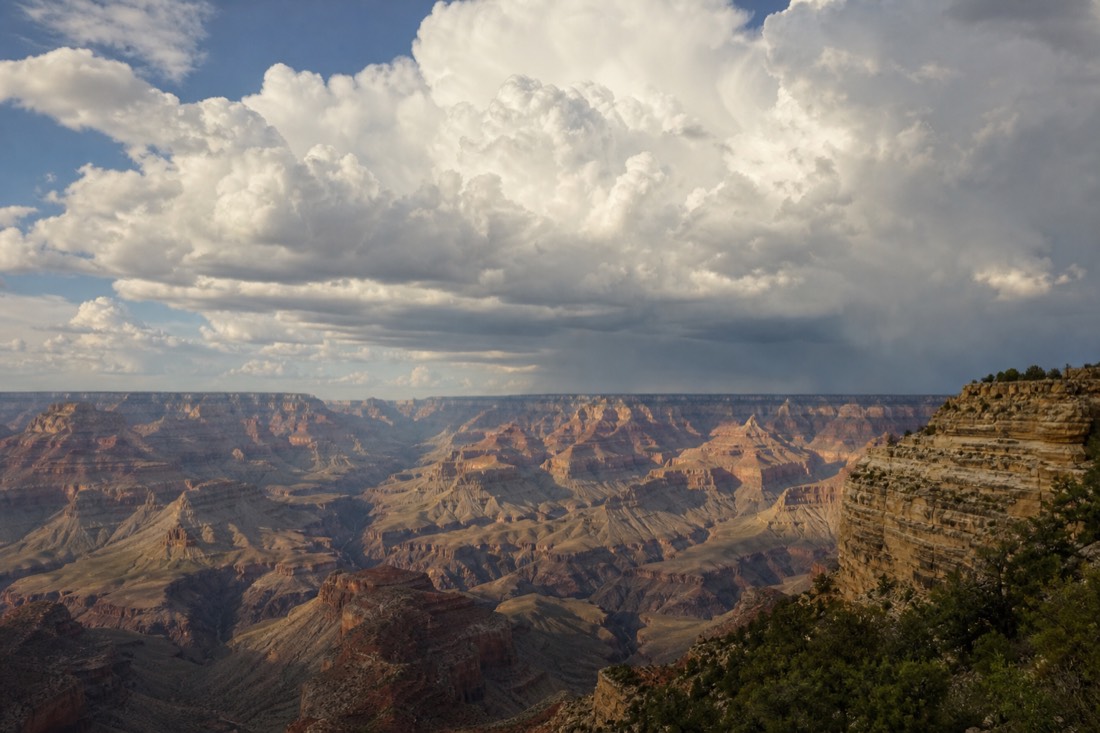
Two of the finest piston airliners ever built, carrying vacationers and businesspeople across the country, met over one of the most beautiful places in America, and no one survived. The full record of the day is kept in the Wikipedia account of the 1956 Grand Canyon mid-air collision, and it rewards reading slowly. What matters for this article is not the mechanics of the impact but what the country did afterward, because the answer turned out to be: everything.
Hold the scale of it for a moment. In 1956, commercial flying was still glamour, the Constellation and the DC-7 the pride of their fleets, and a transcontinental ticket something families saved for. One hundred twenty-eight people was a number the country had never had to absorb from a single commercial disaster. The grief was national. So, eventually, was the response.
| The two aircraft | |
|---|---|
| TWA | Lockheed Super Constellation |
| United Airlines | Douglas DC-7 |
| Lives lost | 128, everyone aboard both aircraft |
| Standing at the time | Deadliest US commercial air disaster to date |
How could two airliners meet in an empty sky?
Because over the canyon in 1956, nobody was watching. Outside the controlled corridors around cities, airliners crossed vast stretches of uncontrolled airspace where crews were expected to see and avoid each other by eye. Two fast aircraft, one enormous sky, and towering summer clouds were enough.
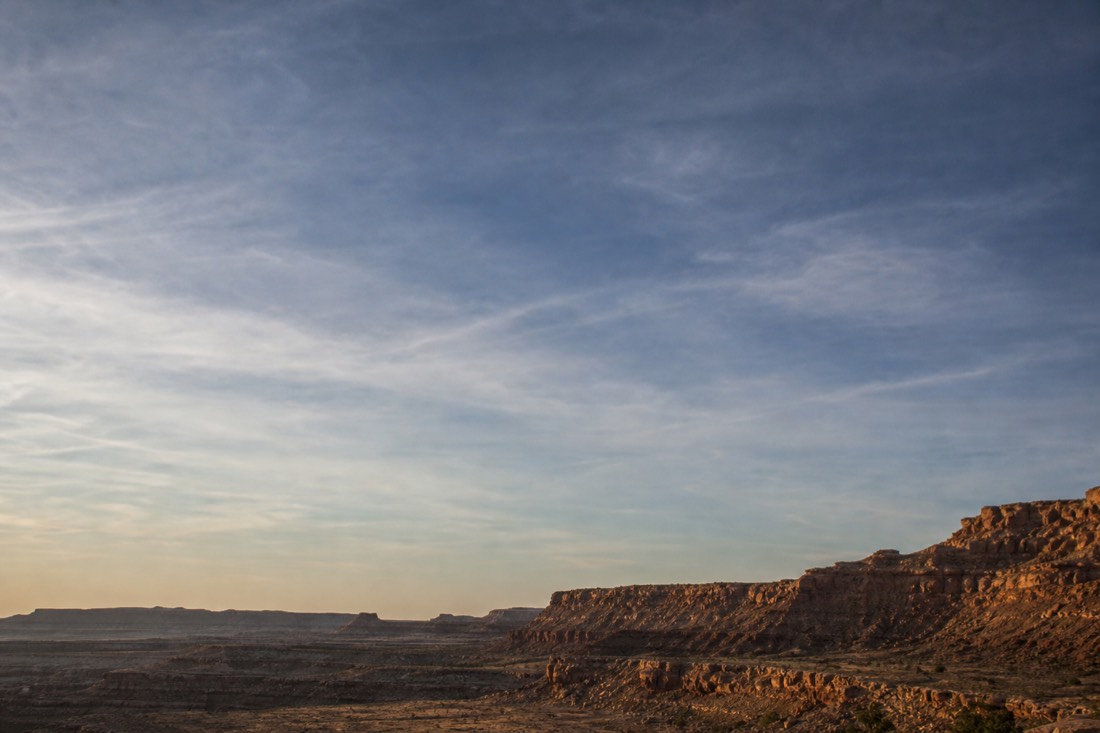
It is hard to explain to a modern traveler how loosely stitched the mid-century sky was. Radar and controllers concentrated around airports; between them, the country's airliners flew on routes of their own choosing, trusting eyesight at closing speeds eyesight was never built for. Pilots even drifted toward scenery, because passengers loved a good view and the rules left room for it. The canyon, a mile deep and impossibly wide, drew airplanes the way it draws everyone. The system had worked, mostly, when aircraft were slower and fewer. By 1956 the mathematics had quietly turned against it, and over the canyon the odds finally came due.
How did the disaster change American aviation?
Directly. The public shock of 128 deaths over one of America's most beloved landscapes pushed Congress to rebuild how the nation managed its sky. The result was the modern federal air-traffic-control system and, in 1958, the creation of the FAA, the agency that governs every flight in the country today.
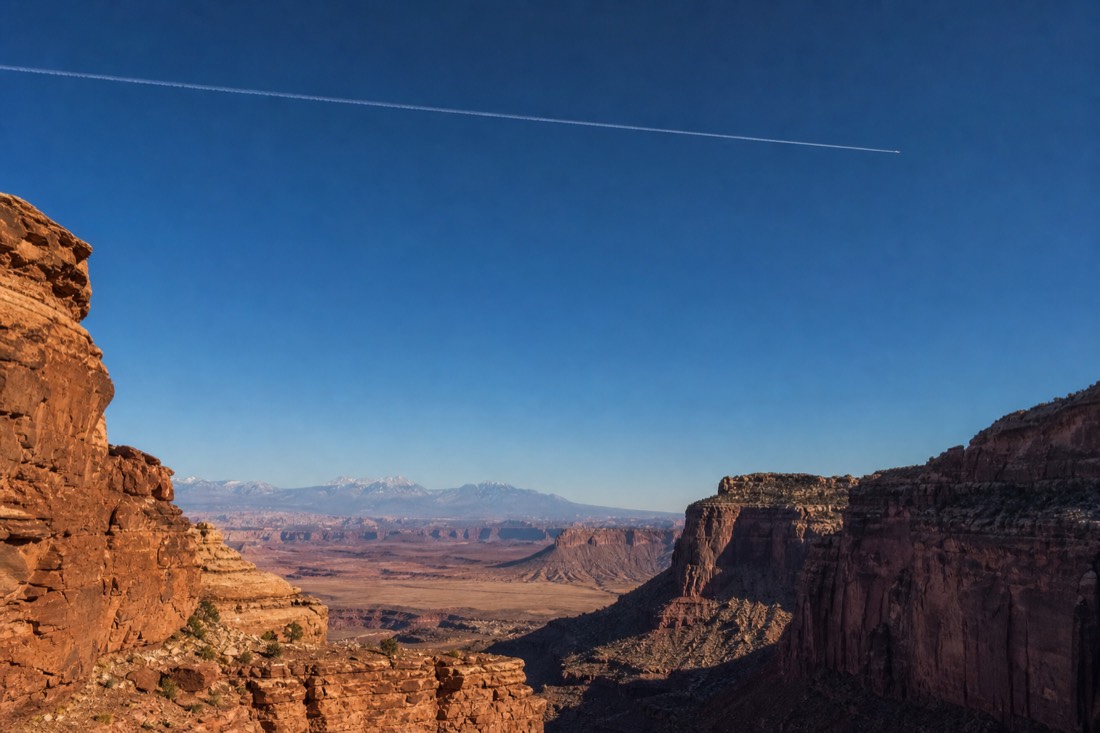
Disasters had happened before. This one landed differently, in the middle of a postwar boom that was putting ordinary families on airliners for the first time, and in a place every American could picture. Within two years the federal government had claimed authority over the entire airspace and stood up an agency to run it. The before and after reads like two different countries.
What strikes me most, reading the history from this end of it, is how completely the new order won. The controlled sky became so normal, so fast, that within a generation nobody could imagine airliners picking their own paths across the desert. Reform on that scale usually takes decades of argument. Here it took the shock of a single morning.
| Before June 1956 | After the reforms | |
|---|---|---|
| En-route airspace | Largely uncontrolled between cities | Under federal air traffic control |
| Collision avoidance | Crews' eyes, see and avoid | Controllers, assigned routes and altitudes |
| Oversight | Fragmented | The FAA, created 1958 |
| Sightseeing detours | At the crew's discretion | Prohibited for airline traffic, regulated for tours |
Every boarding pass in America carries a little of June 30, 1956 in it. So does every canyon air tour, which is where this story bends back toward the present.
What remains at the canyon today?
The wreckage sites, near the confluence area where the Colorado meets the Little Colorado, are protected today as a designated National Historic Landmark. They are not a tourist stop. The designation preserves the place where modern aviation safety began, and it honors the 128 people who died there.
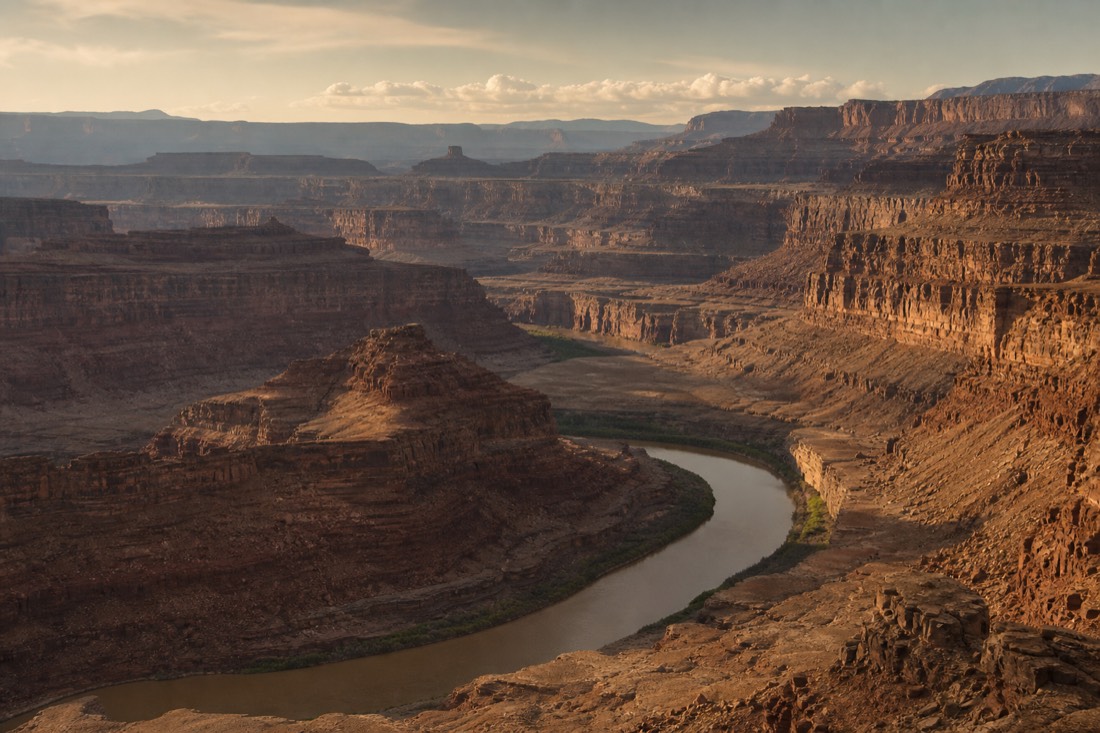
It is a strange and fitting kind of monument: no visitor center, no path, just canyon country so rugged that the rock layers themselves are the memorial's walls. National Historic Landmark status usually marks battlefields and buildings. Here it marks a patch of terrain that changed the law of the sky, left deliberately hard to reach, inside a landscape that measures time in hundreds of millions of years. When I am asked why the canyon feels solemn in its eastern reaches, this is part of my honest answer. Some ground asks for quiet.
If you go looking for the sites on a visit, do not. That is the plain guidance, and it is the respectful one. There is nothing to tour, the terrain near the confluence is remote and dangerous, and the landmark designation protects the ground precisely so it stays undisturbed. The right way to pay attention is the one you are doing now: know the story, then look at the eastern canyon from a rim viewpoint or a regulated flight and understand what happened in that airspace.
What does 1956 mean for today's scenic flights?
Every scenic flight over the canyon now operates inside tightly drawn corridors, at assigned altitudes, under rules the FAA and the Park Service enforce together. That structure exists partly because of 1956. The era of the unwatched sky ended over this canyon, and today's air tours inherit that discipline.
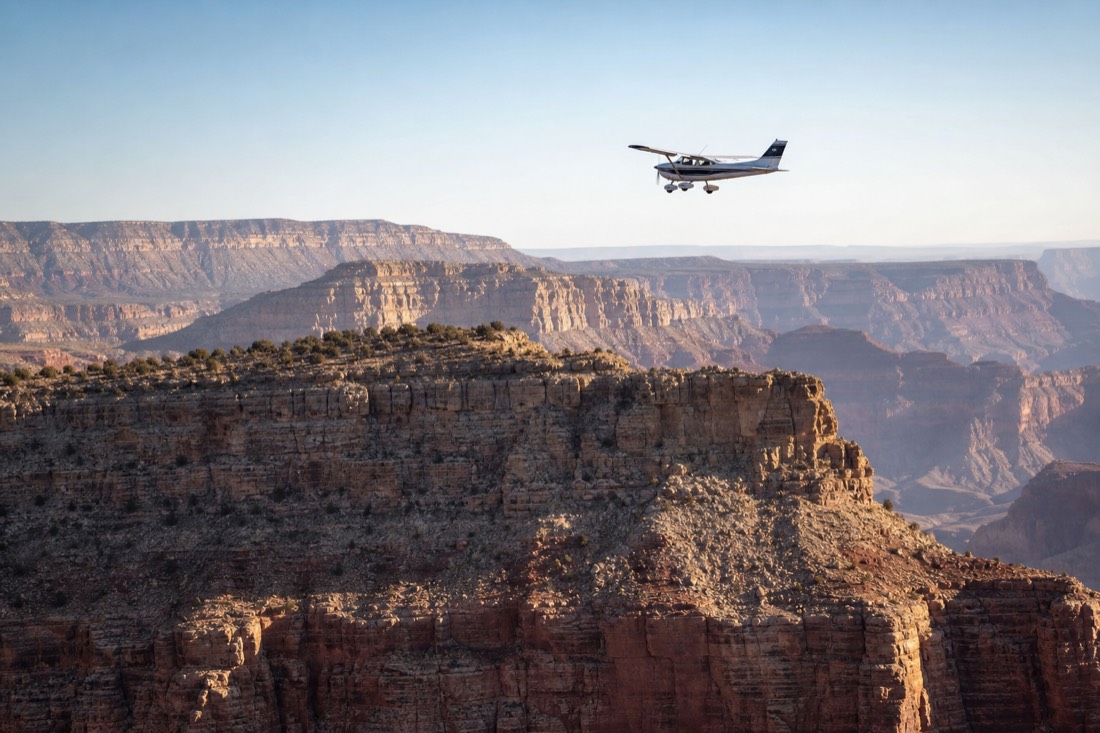
This is the tie-off that matters if you are booking a flight rather than reading history. The corridors that today's helicopter tours follow, and the routes flown by the 40-minute fixed-wing tour over the South Rim, are the direct descendants of the reforms this crash set in motion. Modern canyon flying is scheduled, routed and supervised precisely because the alternative was tried and failed here. If you want to see the same sky those passengers crossed, flown the disciplined way, the helicopter versus airplane guide compares every option, the safety picture gets its own sober treatment in how safe are Grand Canyon helicopter tours, and you can check live availability and prices on GetYourGuide for the airplane tour itself.
None of this should scare anyone off a scenic flight. It should do the opposite. The corridors, the assigned altitudes, the joint oversight: these are the hard-won answer to the question 1956 asked, and they are why a canyon overflight today is a routine, supervised piece of flying rather than a gamble with an empty sky.
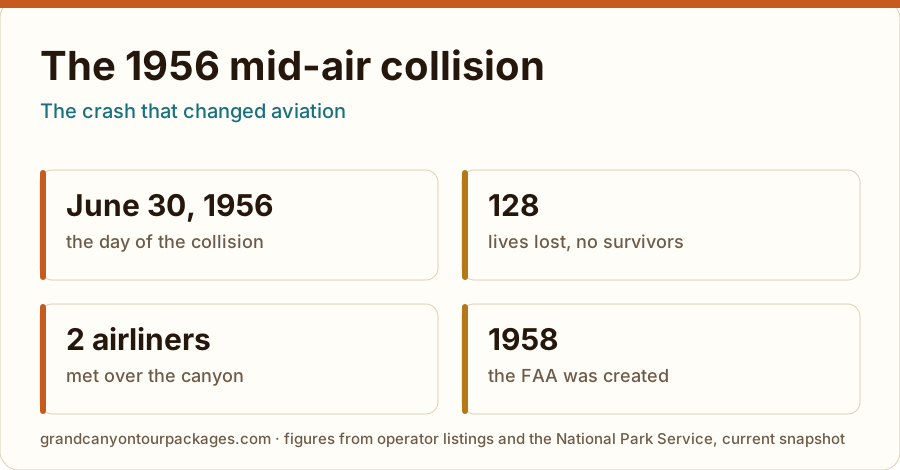
| Year | What changed |
|---|---|
| 1956 | TWA and United airliners collide over the canyon; 128 lives lost |
| 1958 | The FAA is created; federal control extends across the national airspace |
| Later | The wreckage sites near the confluence become a National Historic Landmark |
| Today | Canyon air tours fly designated corridors under FAA and Park Service rules |
Make the day fit your trip
Check your date before arranging the rest
Initial editorial suggestion. Use the optional choices to narrow this article’s shortlist; confirm individual eligibility with the operator.
South Rim airplane flight
A 40-minute sightseeing flight over the canyon, with an optional Hummer tour sold separately.
Own arrival at Tusayan airport; allow check-in time beyond the flight. English audio available. At 300 lb or more, an extra seat is required. Under-twos may ride on a lap with proof of age; confirm boarding needs directly.
Compare options and tailor this choice
Why choose an alternative?
South Rim airplane flight · Tusayan · 2 hours to allow
A 40-minute sightseeing flight over the canyon, with an optional Hummer tour sold separately. Own arrival at Tusayan airport; allow check-in time beyond the flight. English audio available. At 300 lb or more, an extra seat is required. Under-twos may ride on a lap with proof of age; confirm boarding needs directly.
West Rim helicopter landing · Las Vegas / Boulder City · 4.5 hours to allow
A helicopter flight into the West Rim with a canyon-floor landing and champagne toast. Allow about 4.5 hours with transfers; select the correct Boulder City or Strip option. Reconfirm pickup 72 hours ahead. Adult ID and passenger weights required; 300 lb or more requires an extra seat. This does not land in the national park.
Compare your own quotes
Enter totals for the same party and inclusions, in one currency. Include transport, entry, meals and extras in both quotes.
Viator scheduled departures
Select a date to see the published schedule. Seats, final price and booking are confirmed on Viator.
Affiliate booking link: we may earn a commission at no extra cost to you.