How Safe Are Grand Canyon Helicopter Tours? A Sober Look
A calm, factual look at Grand Canyon helicopter tour safety: how the airspace is regulated, what the big operators fly, and the decisions a passenger actually controls.
 By Daniel Begay, Southwest canyon-country tour guide & Navajo cultural specialist
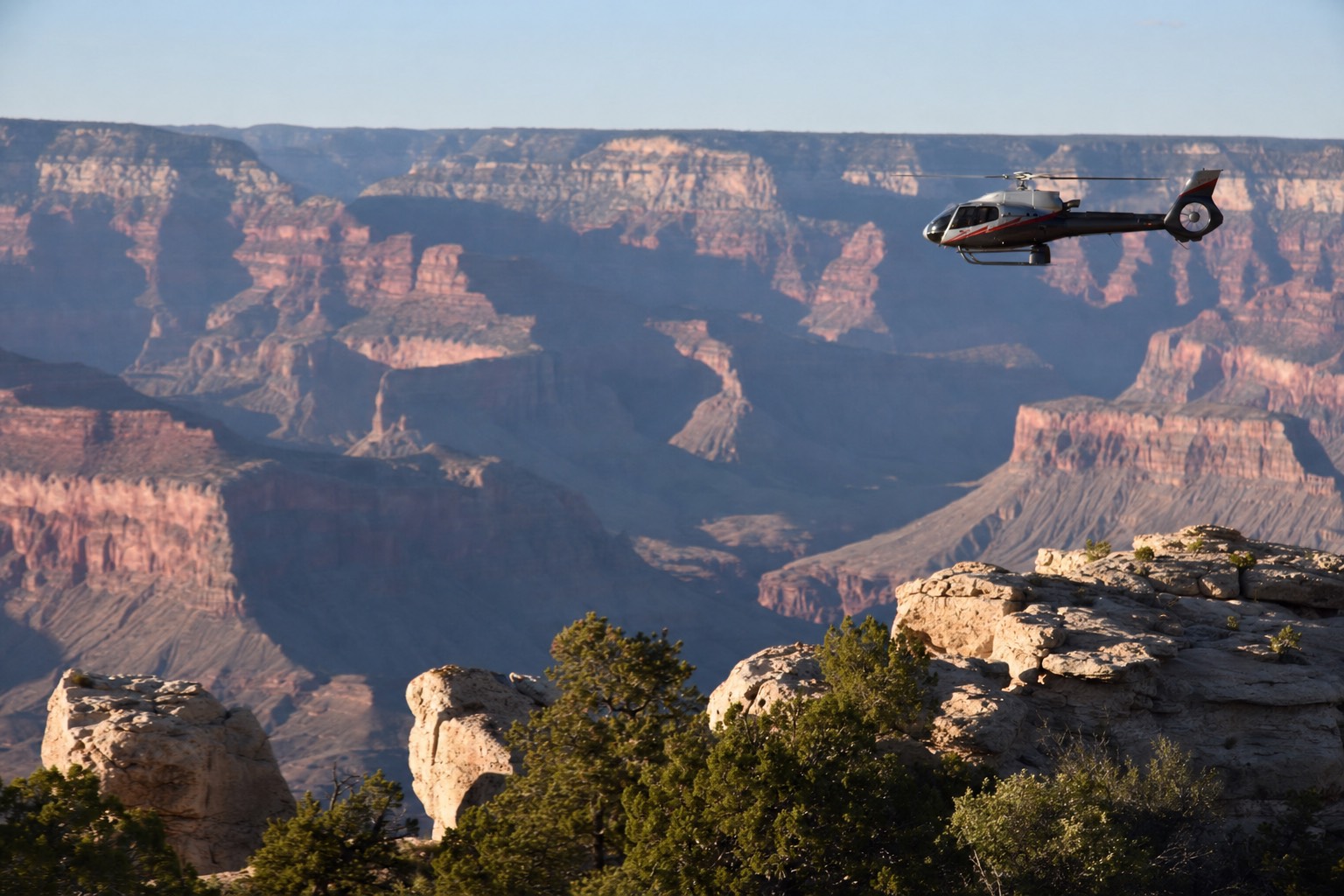
Clear mornings on the plateau, I can watch the tour traffic thread the sky in the same patterns, at the same times, day after day. That regularity is the point of this article. People type "what is the safest Grand Canyon helicopter company" into a search box hoping for a league table, and the internet happily invents one for them. I want to give you something more honest than that: what is actually regulated, what is actually knowable, and which decisions genuinely sit in your hands.
How safe are Grand Canyon helicopter tours?
Grand Canyon tour flying is among the most closely supervised sightseeing aviation in the country. Flights operate under FAA air-tour rules, and inside the national park they follow designated overflight corridors set with the Park Service. Nobody can hand you a guarantee, but this is scheduled, regulated flying, not improvisation.
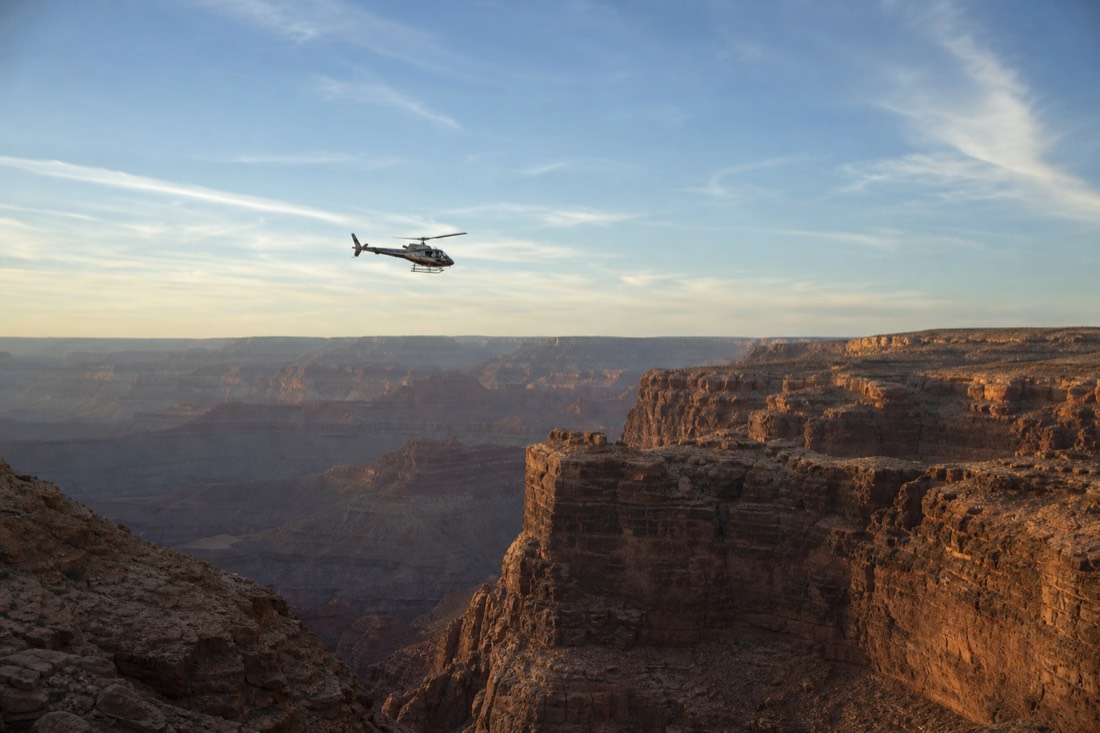
The useful frame is this: a canyon air tour is not a bush flight. Routes are fixed, altitudes are assigned, maintenance runs on federal schedules, and the pilots fly the same corridors over one of the most studied landscapes on Earth hundreds of times a year. Repetition inside rules is what scheduled aviation is built on. What regulation cannot do is remove every variable, which is why the honest questions are not "is it safe" but "what do the rules cover, and what do I still choose?" The split looks like this.
| Covered by regulation | Still your decision |
|---|---|
| Routes, corridors and altitudes over the park | Which operator you book |
| Pilot certification and duty rules | Which aircraft family you fly |
| Aircraft maintenance schedules | How flexible your itinerary is if weather cancels |
| Where landings are permitted | Whether a weight policy affects your booking |
What is the safest Grand Canyon helicopter company?
There is no honest ranking, and you should distrust any page that offers one. What can be said: Papillon and Maverick are the two dominant operators on these routes, and both fly modern EcoStar-family aircraft. Scale, fleet and published policies are verifiable facts; a "safest" label is not.
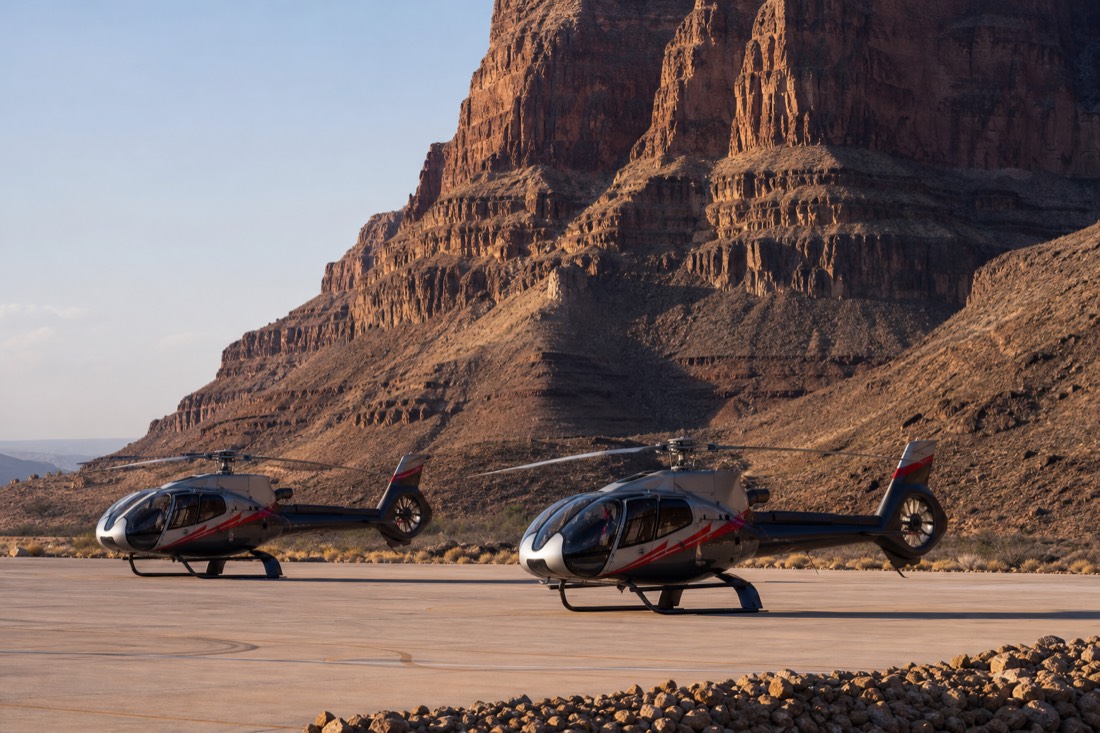
I am not going to grade companies on safety, and I am not going to recite accident numbers, because I have no verified basis for either and neither does the average listicle. What a careful shopper can observe instead: the two names that dominate canyon flying, Papillon and Maverick, run large scheduled operations rather than one-helicopter outfits, and the aircraft on these tours are modern EcoStar-family machines, the wide-window type designed for sightseeing work. Scale means standardized training, in-house maintenance and dispatch discipline. That is not a guarantee, it is a structure, and structure is what you are actually buying. The listings themselves show you which aircraft a given tour uses; the helicopter versus airplane guide walks through every flight we cover, and the full set lives on the helicopter page.
How is the airspace over the canyon actually managed?
Flights inside the national park overfly the canyon on regulated corridors, the Dragon Corridor among them, under joint FAA and National Park Service overflight rules. Tour helicopters descend below the rim only at the West Rim, on Hualapai tribal land, the one place such landings are allowed.
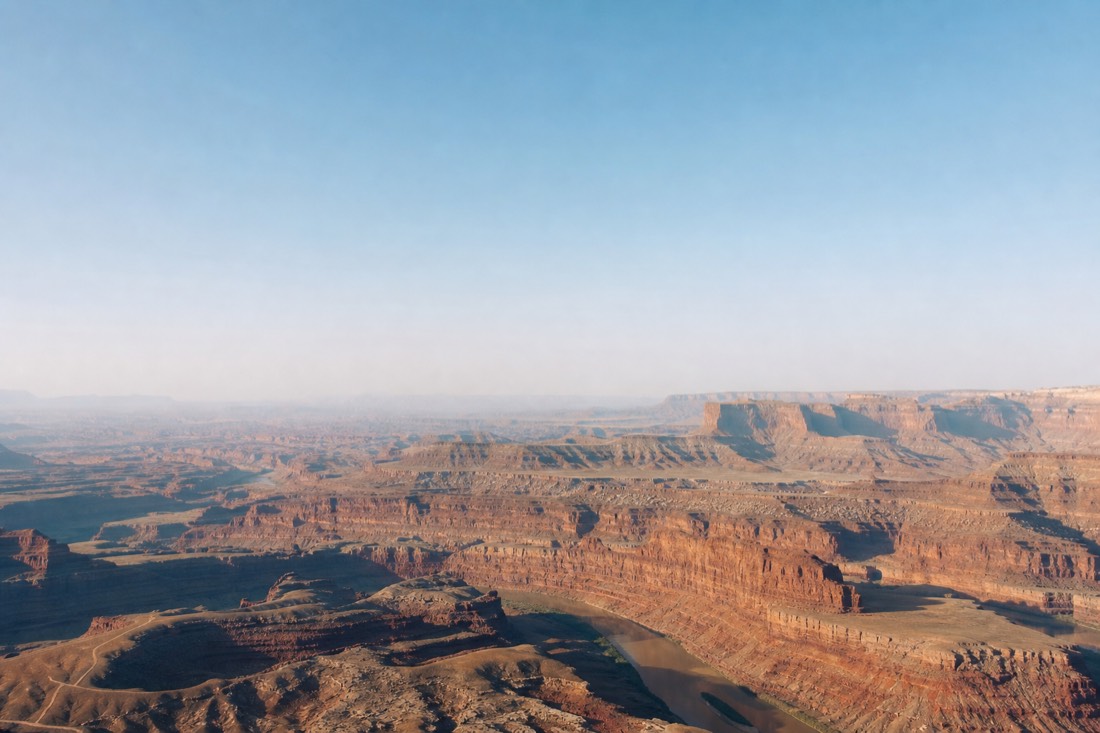
The sky over the canyon is zoned as deliberately as the ground under it. Over the national park, air tours hold to named corridors crossing the gorge at set points, with the Dragon Corridor the best known, and everything else is off limits. Out west it changes: the West Rim belongs to the Hualapai Nation, outside park boundaries, and that legal difference is why the Las Vegas landing tours can set down beside the river there while a South Rim flight never drops below the rim. The Grand Canyon West FAQs describe that side of the operation. Three different rulebooks, one canyon.
| Zone | Who controls it | What tours may do |
|---|---|---|
| National park airspace | FAA + National Park Service overflight rules | Overfly on designated corridors, no landings |
| West Rim (Hualapai land) | Hualapai Nation with FAA oversight of flying | Land below the rim, canyon-floor pads |
| Las Vegas departure area | Standard FAA airspace | Scheduled tour departures, Strip flyovers |
What happens when the weather turns?
Cancellations happen, and a canceled flight is the system working as designed. Wind, monsoon cells and winter fronts all ground canyon tours. Rebooking and refund terms are set per tour and live on each listing, so read them before you build a tight itinerary around a flight.
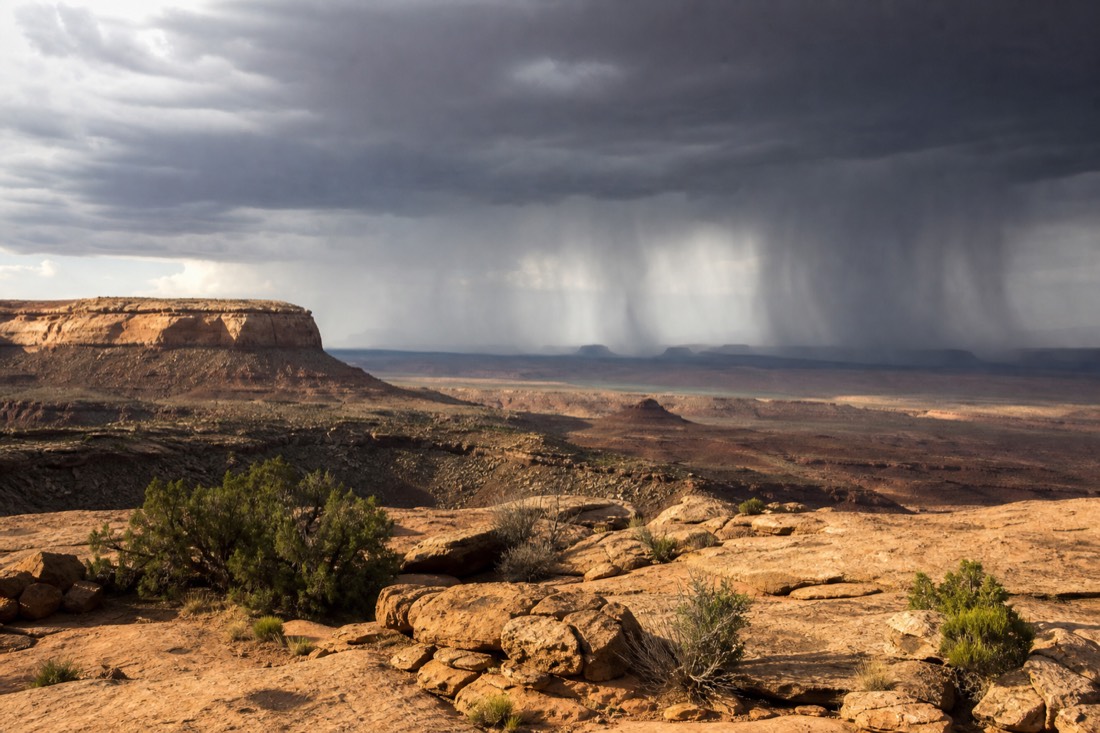
This is the part I know in my bones rather than from a rulebook. Plateau weather is theatrical. July and August build thunderheads out of blue mornings, spring hauls wind across the desert for days, and winter can drop a front through by lunch. Operators watch this constantly and scrub flights that a passenger, squinting at a sunny helipad, would have sworn were fine. When your tour is canceled on you, that is the conservative call being made correctly. Your protection is contractual: every listing states its own cancellation and rebooking terms, and the sane move is booking the flight early in your trip so a weather scrub has room to become a rebooking instead of a refund.
What should you actually check before booking?
Four things sit in your control: the operator's scale, the aircraft family, the weather flexibility in the cancellation terms, and the weight policy. On Papillon EcoStar tours, passengers weighing 300 pounds or more pay for an extra seat, and that is enforced at check-in, not negotiable at the pad.
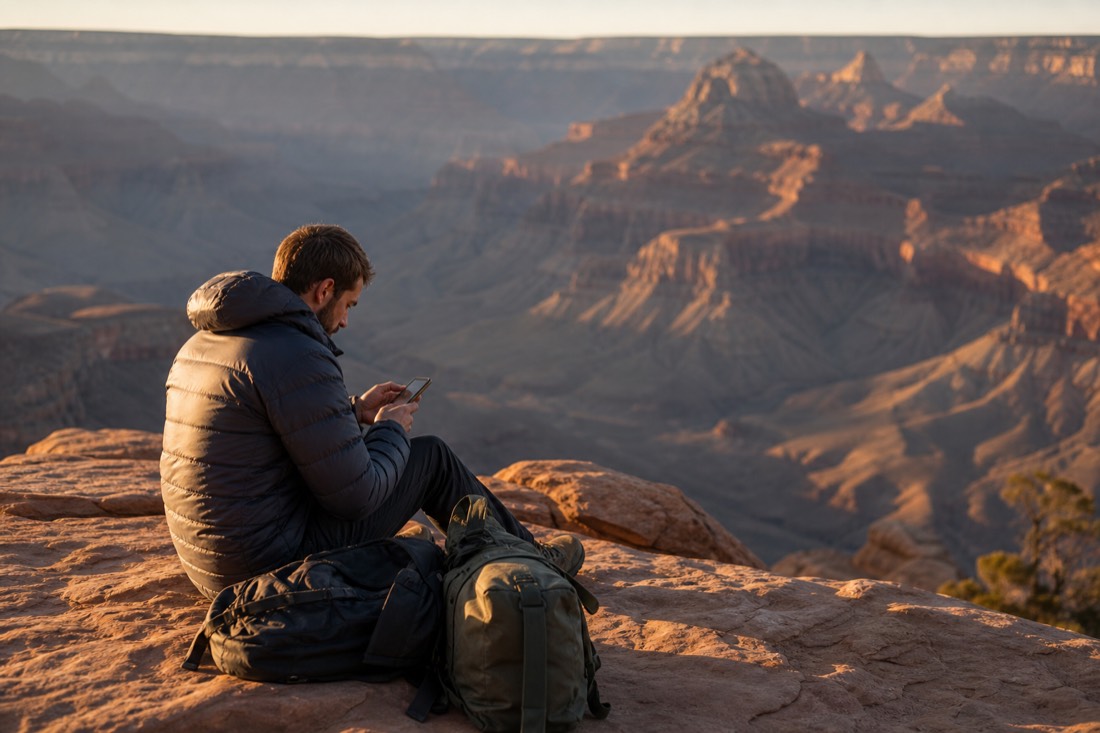
Weight policies feel awkward to ask about, which is exactly why you should settle them at booking time. Helicopters balance their load across specific seats, so the rule exists for flight performance, not politeness. The same goes for mobility notes: each listing spells out its own boarding requirements, and the operators answer questions through the platform before you pay. Here is the checklist in one place.
| Check | Why it matters | Where to verify |
|---|---|---|
| Operator scale | Large scheduled operations mean standardized training and maintenance | Named operator on the listing |
| Aircraft family | EcoStar-family cabins are the modern sightseeing standard | Listing description |
| Cancellation terms | Weather scrubs are normal; flexibility is your buffer | Terms on each listing |
| Weight policy | 300 lbs and above books an extra seat on Papillon EcoStar flights | Listing policy section |
| Mobility notes | Boarding steps and rotor-arc crouch are brief but real | Listing accessibility notes |
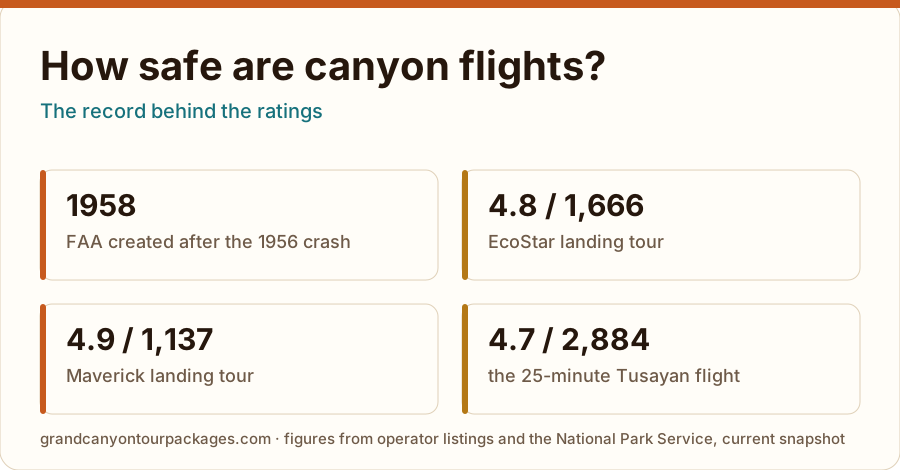
If the sky itself is what draws you but the rotor does not, the fixed-wing option flies higher and steadier, and the Las Vegas planning guide fits either flight into a realistic day. The regulated corridors these tours fly did not appear by accident, either; they trace back to a specific morning in 1956, a story told in the mid-air collision that changed how America flies. When you are ready to compare dates, the EcoStar landing tour sits with the rest on the helicopter lineup, where you can check live availability and prices on GetYourGuide.
Do pilots really cancel for wind on a sunny day?
Yes, regularly. Wind aloft and turbulence in the gorge do not always show from the ground, and operators scrub flights a sunny helipad would never suggest. Treat a cancellation as the conservative call working.
Can I pick my seat on a tour helicopter?
Usually no. Seating is assigned by weight and balance, which is a flight-performance requirement rather than a preference system. Every passenger gets a window or near-window view in EcoStar-family cabins.
Is the airplane tour the calmer option?
For motion-sensitive flyers, generally yes. It flies higher and steadier than a helicopter. The full comparison is in the helicopter versus airplane guide.
Make the day fit your trip
Check your date before arranging the rest
Initial editorial suggestion. Use the optional choices to narrow this article’s shortlist; confirm individual eligibility with the operator.
West Rim helicopter landing
A helicopter flight into the West Rim with a canyon-floor landing and champagne toast.
Allow about 4.5 hours with transfers; select the correct Boulder City or Strip option. Reconfirm pickup 72 hours ahead. Adult ID and passenger weights required; 300 lb or more requires an extra seat. This does not land in the national park.
Compare options and tailor this choice
Why choose an alternative?
West Rim helicopter landing · Las Vegas / Boulder City · 4.5 hours to allow
A helicopter flight into the West Rim with a canyon-floor landing and champagne toast. Allow about 4.5 hours with transfers; select the correct Boulder City or Strip option. Reconfirm pickup 72 hours ahead. Adult ID and passenger weights required; 300 lb or more requires an extra seat. This does not land in the national park.
South Rim airplane flight · Tusayan · 2 hours to allow
A 40-minute sightseeing flight over the canyon, with an optional Hummer tour sold separately. Own arrival at Tusayan airport; allow check-in time beyond the flight. English audio available. At 300 lb or more, an extra seat is required. Under-twos may ride on a lap with proof of age; confirm boarding needs directly.
Grand Canyon Railway round trip · Williams · 8 hours to allow
Historic rail travel from Williams to Grand Canyon Village with a same-day return. About eight hours overall; own arrival at Williams Depot. Choose coach or first class. Meals and hotel pickup excluded. Under-twos ride on a lap. Arrange any boarding assistance in advance; confirm current park charges.
Compare your own quotes
Enter totals for the same party and inclusions, in one currency. Include transport, entry, meals and extras in both quotes.
Viator scheduled departures
Select a date to see the published schedule. Seats, final price and booking are confirmed on Viator.
Affiliate booking link: we may earn a commission at no extra cost to you.